# Wi-Fi 6 vs Wi-Fi 7: Why enterprises should consider upgrading
With the rise of IoT, cloud computing and high-definition video conferencing, enterprise demand for network connectivity is growing at an astonishing rate. While Wi-Fi 6 remains the mainstream standard in most offices, the emergence of Wi-Fi 7 (802.11be) sets a new benchmark for enterprise network performance. This article explores the key technological advances of Wi-Fi 7 and analyzes when businesses should initiate upgrade plans.
What is Wi-Fi 7?
Wi-Fi 7 is the latest evolution of wireless technology, known as the Extreme High Throughput (EHT) standard. Its design goals go beyond just increasing data transfer speeds - it aims to improve network efficiency, reduce latency, and enhance connection stability in high-density environments.
Core Advantages of Wi-Fi 7
1. 320 MHz Ultra-Wide Channels Wi-Fi 6 has a maximum channel width of 160 MHz, while Wi-Fi 7 doubles that to 320 MHz. This is like widening a single-lane road into a two-lane highway, capable of carrying much more data traffic with up to twice the transmission efficiency of Wi-Fi 6.
2. 4096-QAM (4K QAM) QAM (Quadrature Amplitude Modulation) is key to determining data transmitted per second. Wi-Fi 6 uses 1024-QAM, while Wi-Fi 7 upgrades to 4096-QAM, increasing the number of bits per signal symbol by about 20% at the same signal strength.
3. Multi-Link Operation (MLO) This is one of Wi-Fi 7's most revolutionary changes. Traditional Wi-Fi devices can only connect through one band (2.4GHz, 5GHz or 6GHz) at a time. MLO allows devices to transmit and receive data across multiple bands simultaneously, dramatically increasing bandwidth and significantly reducing latency by flexibly switching between bands to avoid interference.
Why Should Enterprises Upgrade?
For basic web browsing, Wi-Fi 6 may be sufficient, but these scenarios will benefit greatly from Wi-Fi 7:
- High-Density Office Environments: In offices with hundreds of employees each having multiple devices, Wi-Fi 7's efficiency ensures every device gets stable speeds.
- AR/VR Collaboration: Metaverse-level design, remote surgery guidance and industrial simulation applications require extremely low latency and massive bandwidth - Wi-Fi 7's domain.
- 4K/8K Video Conferencing: High-quality live streaming and video communications require no packet loss, which MLO technology solves perfectly.
Upgrade Considerations
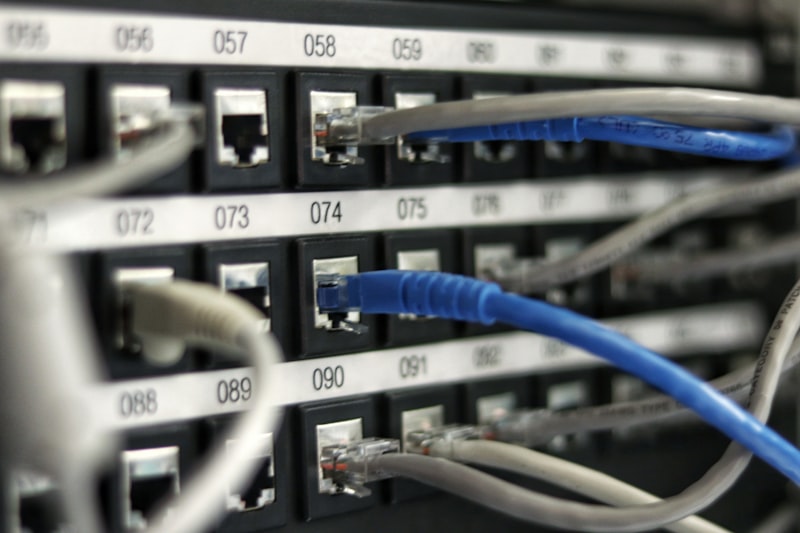
Upgrading to Wi-Fi 7 means more than just replacing routers or APs. Enterprises must consider whether their backbone network supports 10G or higher speeds. If the backbone is still 1G, Wi-Fi 7 performance will be severely limited.
Additionally, client devices (laptops, phones) also need to support Wi-Fi 7 to leverage its full advantages. While Wi-Fi 7 devices are just emerging, this is a worthwhile long-term investment.
Conclusion
Wi-Fi 7 is not just about speed - it represents a smarter, more stable way to connect. For modern enterprises pursuing digital transformation and supporting intensive remote collaboration, now is the ideal time to evaluate upgrading. Wifimaster.hk provides professional Wi-Fi 7 deployment consulting to help your business stay ahead.
Need Further Technical Support?
Our experts are standing by.